


 General Health & Wellness
  Sports Nutrition & Performance
  Specialized Wellness





Why Some Supplements Work Better with Food (And Some Don't)
 By Cost2Cost Supplement1 week ago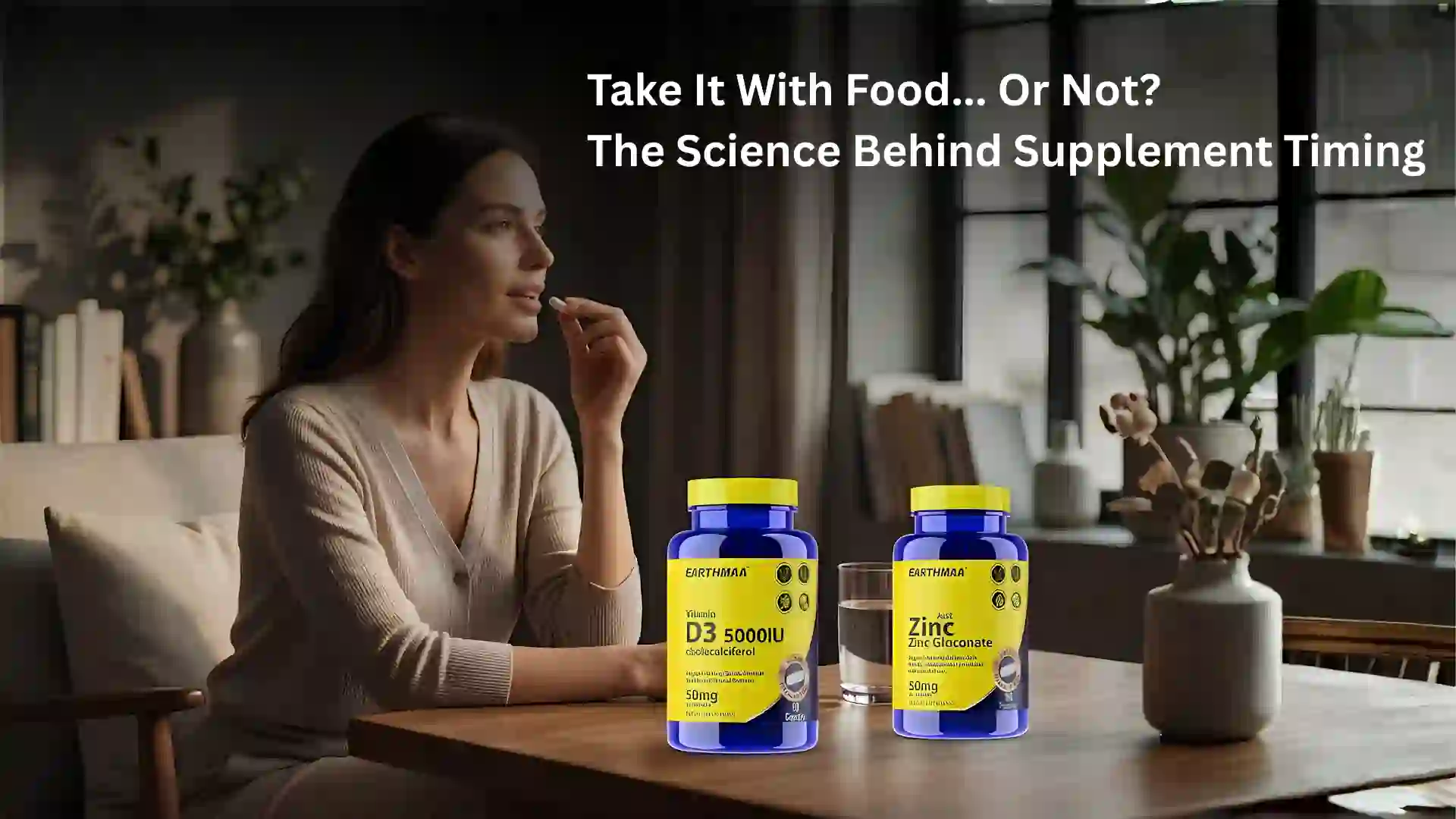
Nutrition & Absorption Guide
Why Some Supplements Work Better with Food (And Some Don't)
You take your supplements every morning. Same bottle, same dose, same routine. Some days, they seem to work. Other days? Nothing.
You take your supplements every morning. Same bottle, same dose, same routine. Some days, they seem to work. Other days? Nothing. Before concluding that supplements are inconsistent or overrated, consider this: the issue might not be what you're taking; it might be how you're taking it.
This isn't about complicated biochemistry. It's about a simple truth: your body processes nutrients differently depending on what else is in your digestive system. Some supplements need food to work properly. Some things are best on an empty stomach.
This blog explains the basics of digestion and absorption, why some nutrients need food, and how understanding this can help remove some of the guesswork from supplementation.
Two Major Types: Fat-Soluble vs. Water-Soluble
Not all nutrients are created equal. The biggest difference is whether they dissolve in fat or water.
Fat-Soluble Nutrients
Vitamin D, vitamin A, vitamin E, and vitamin K. These vitamins need to be eaten with fat to be absorbed well. If there is no fat present during digestion, a large amount of the supplement may pass through your system unused.
Best practice: Take with a meal that contains fat, such as eggs, nuts, avocado or a drizzle of olive oil, even.
Why it matters: It’s not dangerous to take fat-soluble vitamins on an empty stomach, but it does dramatically reduce the amount of the vitamin your body can actually use.
Water-Soluble Nutrients
Examples: Vitamin C, B-vitamins, many amino acids. These are water-soluble and do not need fat to be absorbed. They can be taken with or without food depending on other factors like stomach sensitivity.
Best practice: Can be taken any time, but some people get mild stomach discomfort on an empty stomach. If that's you, get them with food.
Why it matters: Water-soluble nutrients offer more flexibility in timing, but knowing your own digestion can help you avoid discomfort you don't need to experience.
Food-Supplement Synergy: Beyond Just Absorption
Food not only helps absorption, but it can also enhance the efficacy of some nutrients through synergy.
Iron + Vitamin C
Iron is much better absorbed if taken with vitamin C. A glass of orange juice or a side of bell peppers with your iron supplement can really make a difference.
Calcium + Vitamin D
Vitamin D helps your body take in calcium. Taking them together (ideally with a meal that has some fat) is better for bone health than taking either of them separately.
Magnesium + Whole Grains
Magnesium comes with B-vitamins and the fiber in whole grains. Food-first approaches (like adding grains to your routine) are part of why they often feel more balanced than supplements taken on their own.
Digestion & Absorption Basics (Simplified)
1. Stomach: Acid breaks down the capsule or tablet. Some nutrients begin absorption here.
2. Small Intestine: This is where most nutrients are absorbed. Bile is released when you eat fat. Fat-soluble nutrients require bile to be absorbed.
3. Bloodstream: The absorbed nutrients are transported through the bloodstream to where they are needed.
With Food
- Digestion slows down so there is more time for nutrients to be absorbed
- Bile secretion (important for fat-soluble vitamins)
- More stomach acid production aids in breaking down
Without Food
- Speedier transit through the digestive tract
- Fewer bile salts are available for fat-soluble nutrients
- Stomach irritation possible with some supplements
Examples Using Food-First Logic
Common Mistakes That Reduce Results
Taking Everything at Once "For Convenience"
Throwing all your supplements down at once, regardless of food or timing, might feel efficient, but it's often ineffective.
Ignoring Stomach Sensitivity
If you regularly feel sick after taking supplements, don’t just slog through it. Usually it’s a signal that you need to change the timing or eat some food.
How Cost2Cost Supplement Integrates Food and Supplements
Cost2Cost Supplement doesn't treat food and supplements as separate categories.
“Food first. Supplements can help fill in some of those gaps or help with certain goals, but they work best when paired with a solid nutritional foundation.”
The Takeaway
Supplements don't fail because they're ineffective. They often fail because timing and food pairing are ignored. Your body isn't a machine that processes nutrients the same way regardless of context.
- Digestion matters.
- Food matters.
- Timing matters.
- Good supplementation isn't about taking more.
This is about being smarter, knowing what your body needs, when it needs it, and how to support absorption naturally. Begin with food. Add supplements where appropriate. Respect your digestion. That is the basis of sustainable nutrition.
Categories
 Healthy Foods 15
 Nervous System & Stress Relief 19
- Hydration 2
 Essential Fatty Acids & Nutrition 7
 Health & Blood Sugar Support (Insulin Co-Factor) 4
 Herbal Supplements (Echinacea, Tonifying Herbs) 11
 Kidney & Urinary Tract Health 3
 Liver Support 6
 Organ & System Support 44
 Dietary & Herbal Supplements 34
Trending Now